
WhoAdminKnows
GRA CPA LinkedIn
BBB Business Profiles generally cover a three-year reporting period, except for customer reviews. This business is in an industry that may require professional licensing, bonding or registration. To become accredited, a business must agree to BBB Standards for Trust and pass BBB’s vetting process. With a commitment to excellence, GRA CPA emphasizes professional integrity and personalized service. We are committed to helping you get through the tough moments in business so that you can enjoy your life. Due to COVID tax legislation and their many changes, we are experiencing current backlogs as we ensure we are maximizing our value to gra cpa our current clients.
We offer tax planning, bookkeeping, financial statements, business consulting, and retirement planning. ✎ GRA CPA offers a variety of accounting and financial services to suit your business needs. A licensed financial assertion is one that has been reviewed and approved by a certified, independent auditor. Many of those financial statements – together with those within the firm’s annual report and people provided to shareholders in reference to the solicitation of proxies for annual conferences – have to be examined and reported on by an impartial auditor. Even if not required, many companies choose to have audits performed anyway as a result of they’ll yield priceless advantages.An auditor is an impartial certified public accountant who examines the monetary statements that an organization’s management has prepared. Compiled financial statements generally vary in costs from $800 – $3,500 primarily based on the dimensions and complexity of your company and can take 1-2 weeks to complete.CPAs will usually spend days or even weeks in a client’s office to carry out the audit, and are given broad access to financial and different data.
- It does not involve gaining an understanding of the company’s internal controls or any testing of the underlying data.
- Taxpayers within the turnover bracket of GH¢90,000 up to GH¢5 million are categorized as medium taxpayers, while those with an annual turnover of less than GH¢90,000 are classified as small taxpayers.
- For some corporations, audits are a legal requirement as a result of compelling incentives to intentionally misstate financial information in an attempt to commit fraud.
- Much emphasis has been given to reports of financial statements — the balance sheet, income statement, and the statement of cash flows.
- Taxpayers with an annual turnover of over GH¢5 million are classified as large taxpayers.
Essentially, the CPA reviews the financial statements prepared by the company and attaches an accountant’s report to it. The auditor’s report after a review will note whether the auditor is aware of any “material modifications” that should be made to the financial statements. During a review, the auditor examines the financial statements but does not conduct an examination of the nonprofit’s internal controls (which is https://www.nexgenpackaging.com/accrued-revenue-vs-deferred-revenue-what-you/ normally included in the scope of an independent audit).
- A monetary audit is an goal examination and analysis of the financial statements of a corporation to be sure that the financial records are a good and accurate illustration of the transactions they claim to characterize.
- The partnership will see the tax authority receive 30 percent of the property revenue mobilization to cover for systems, logistics and other financial overheads accrued and will credit the 70 percent to the respective MMDAs.
- Whether you are an individual or a local business in or around Trenton NJ, Gerald P. Calamia has years of valuable experience as an IRS registered tax preparer.
- File and make payments for all tax types
- We recognize the complexity and distinctiveness of modern financial decision-making that calls for technological accuracy and promptness.
- The Sarbanes-Oxley Act of 2002 units requirements for exterior, independent auditors and requires that they submit an Internal Controls Report with licensed monetary statements.
Orlando Sentinel
Contact Gerald P. Calamia, tax filing specialist in Trenton NJ, for help with your taxes. Whether you are an individual or a local business in or around Trenton NJ, Gerald P. Calamia has years of valuable experience as an IRS registered tax preparer. And we do not recommend financial strategies irregardless of tax implications.
Taxpayers within the turnover bracket of https://www.selfieoutdoor.com/blog/solved-1120-s-form-in-turbo-tax/ GH¢90,000 up to GH¢5 million are categorized as medium taxpayers, while those with an annual turnover of less than GH¢90,000 are classified as small taxpayers. These are upstream and midstream petroleum companies, banking institutions, insurance companies, mining companies and quarries, and members of groups of companies where at least one member qualifies as a large taxpayer. Taxpayers with an annual turnover of over GH¢5 million are classified as large taxpayers.
BBB Accreditation & Rating
Compiled financial statements generally range in costs from $800 – $3,500 based on the size and complexity of your company and can take 1-2 weeks to complete. Compiled financial statements represent the most basic level of service offered by a Certified Public Accountant with respect to financial statements. The financial statements are used by investors, market analysts, and creditors to evaluate a company’s financial health and earnings potential. The three major financial statements for a business are the balance sheet, income statement and cash flow statement. A review provides limited assurance, based primarily on analytical procedures and inquiries, that the CPA is not aware of any material modifications necessary for the financial statements to conform to GAAP. A profit and loss statement (P&L), or income statement or statement of operations, is a financial report that provides a summary of a company’s revenues, expenses, and profits/losses over a given period of time.
The best approach to determine the auditor of a publicly traded firm is to check the corporate’s most recent filings utilizing our EDGAR database of corporate filings. Public firms are required to supply audited monetary statements to their shareholders and file them with the Security and Exchange Commission. Such an accountant can interview your workers to make sure they follow the guidelines on billing and educate them the place needed.A firm’s monetary statements may be examined and permitted in a course of called an audit by Certified Public Accountants, or CPAs. That doesn’t suggest you can’t get an occasional second opinion on your financial statements and health.
Ghana Revenue Authority
We offer you these solutions through our extensive knowledge, experience and proven strategies which will take your business to the next level.In today’s world, the traditional CPA profession is an aging field becoming outdated in technology and forward-thinking solutions. We understand how difficult it can be when you are in need of solutions for you and your business. Please inquire with a detailed voicemail or email as to the services you are seeking and a callback number or email. We offer a FREE business tax returncomprehensive second opinion for business owners. So, if a nonprofit does not have the internal capacity to put its financial records into a “professional” format, a compilation can accomplish that. The least expensive report, and one that should satisfy most banks for small and mid-sized business, is a compilation.
He took the time to explain my taxes each step of the way and explained my return to me completely. Taxes are a foreign thing to me, especially after starting my own company and being responsible for self employment tax. Our licensed professionals are known for providing exceptional service and valuable insights. GRA CPA is an internationally recognized, licensed CPA firm based in Orlando. This Unified Common Property Rate Platform also known as MYASSEMBLY.GOV.GH is a complete end-to-end district revenue collection and administration platform designed to enhance the collection and accounting of property rates. The Ghana Revenue Authority has announced the implementation of amendments to several tax laws, notifying the general public that these changes are now in effect.
For Businesses
Great customer services aligned with a solid tax knowledge, makes them a great asset in the tax business. The establishment of the GRA is part of the reforms in revenue administration of tax collection in Ghana which began in the mid-eighties when CEPS and IRS were taken out of the Civil Service and made semi-autonomous and self-accounting public sector institutions with separate boards. Compiled financial statements characterize the most basic stage of service provided by a Certified Public Accountant with respect to financial statements. They can https://icse.donboscomannuthy.in/quick-easy-to-use-reverse-amortization-calculator/ (however usually do not) carry out bookkeeping features, however usually, they put together detailed monetary statements, perform audits of the books of public companies, and so they could put together stories for tax purposes.
This information is detailed to ensure GRA CPA’s primary focus is on their work quality and independence as advisors.All businesses should affordably access CPA services to boost their efficiency and growth. The firm offers a range of services designed to meet the financial needs of its clients, standing behind the results it delivers. As an internationally recognized CPA firm, we offer forward thinking and proactive solutions to businesses and business owners. Much emphasis has been given to reports of financial statements — the balance sheet, income statement, and the statement of cash flows. Unlike the balance sheet, the income statement covers a range of time, which is a year for annual financial statements and a quarter for quarterly financial statements.
We have the big firm work experience with a commitment and focus on our clients long-term financial well-being. At GRA CPA, our team members are comprised of Certified Public Accountants (CPA), IRS certified Enrolled Agents (EA), and licensed Health and Life Agents (215). More established businesses aren’t glad. Many clients laud Grant’s speed, excellence, suitability for small and new businesses. We combine knowledge and proven strategies that have worked for other firms to scale your company to another level. The business’s demands will sometimes give you a headache, but we have the solutions.
We are certified public accountants that are experienced, pro-active, aggressive and up-to-date on current issues; and most importantly, we are client-oriented. We offer forward thinking and proactive solutions to businesses, business owners, and high-net worth individuals. Their expertise aims to provide reliable financial solutions that strengthen client confidence and support their business objectives. GRA CPA is a licensed accounting firm located in Orlando, Florida, known for its trusted accounting professionals. A primary objective in developing policies and procedures over the accounting function is to improve the timeliness, accuracy and completeness of these statements. These three are the most important reports on the overall financial condition of the company over a given period of time.
The income statement explains the sources of net profit or loss and covers a specific time period, such as a month, quarter or year. The balance sheet breaks down what the company owns (its assets) and what it owes (its liabilities). It does not involve gaining an understanding of the company’s internal controls or any testing of the underlying data. File now on taxpayersportal.com to avoid penalties. File and make payments for all tax types ✎ Here is the list of all single business from our database.
Such statements are thought of extra dependable than unaudited statements and are obligatory for publicly traded firms.For instance, an audit can help an organization ensure the accuracy of its monetary data, and might help identify weaknesses in inside controls and methods to improve inside controls. An audit could also be required by a 3rd-celebration user of your organization’s financial statements, corresponding to a lender, investor (or different funding supply) or government regulator. A monetary audit is an goal examination and analysis of the financial statements of a corporation to be sure that the financial records are a good and accurate illustration of the transactions they claim to characterize.
Mastering Price Variance: Key Insights for Business Success in 2025
Managerial accounting is the practice of analyzing and communicating financial data to managers, who use the information to make business decisions. We shall look at one such aspect of pricing, called the Purchase Price Variance , its role in determining the product price and its benefits in our discussion here. Material issued to the work order relieves the inventory account and posts to the WIP account with the fully loaded standard cost for the item. It is not always good to have a positive or favourable PPV, as the quality of the materials might affect your product; hence, PPV should be analyzed with direct material quantity variance.
The Definitive Guide to Cost Savings
When used correctly, it provides vital insight into the effectiveness of the procurement organization in delivering on cost savings goals. Understanding the importance—and limitations—of PPV metrics can improve cost outcomes for every purchase while keeping your numbers in the proper context. The data these activities provide offers the best point of reference for understanding fair pricing on goods and services. You already know benchmarking and price tracking are important activities for a successful procurement practice. Variances in the purchase price can be caused by many factors. The actual price you pay for each scanner is $490, which is $10 less than planned.
Collaboration between these teams is crucial for maintaining accurate cost estimations and preventing discrepancies before placing orders. Set up a system for clear communication between the procurement and finance teams. Thus, reducing the price-per-item is not the most critical factor for obtaining favorable PPV. But if the company orders more than it can use in time, the business will face the risk of excess inventory and growing storage expenses. For instance, a company can achieve a favorable PPV by ordering a large bulk of products from the vendor and qualifying for a quantity discount.
To calculate price variance, subtract the actual cost from the standard cost, then multiply the result by the quantity purchased or used. Effective management of price variance, including both purchase price variance and sales price variance, requires continuous monitoring and analysis. Understanding how to calculate purchase price variance is crucial for businesses to maintain budget control and reduce cost discrepancies. This difference in standard cost and Purchase Order price is recorded in the purchase price variance account as a debit . Based on the equation above, a positive price variancemeans the actual costs have increased over the standard price, and a negative price variance means the actual costs have decreased over the standard price.
- If the actual cost is higher than the standard cost, you’re having a negative price variance, meaning that you’re spending more for the products or parts.Using forecasted PPV, organizations get visibility into how material price chances are expected to impact gross margins.
- Training procurement staff on price negotiation, supplier evaluation, and cost modeling further improves their ability to secure favorable pricing.
- This variance is key in procurement, highlighting differences between planned and actual costs.
- The purchase price variance is used to discover changes in the prices of goods and services.
- Forecasted quantity usually results from the expected market demand, production planning, and historical quantities.
Recording purchase price variance in accounting involves specific journal entries to capture the variance between standard and actual costs. Mastering purchase price variance calculations empowers procurement teams to spot cost changes early, make better purchasing decisions, and improve financial forecasting. Many companies set purchase price variance thresholds, like keeping variances within +/- 3% of standard costs. Possible reasons for material price variance include changes in market prices, supplier costs, or production inefficiencies. The calculation for direct materials price variance involves subtracting the actual cost of materials from the standard cost, then multiplying by the quantity purchased. To find materials price variance, subtract the actual cost of materials from the standard cost, then multiply by the quantity purchased.
Related: Why does maverick spend occur?
- This variance is crucial for understanding market dynamics and adjusting sales strategies accordingly.
- Purchase price variance measures the difference between the actual price paid and the standard price for materials, reflecting purchasing efficiency.
- It assesses differences in the quantity or proportion of different product components compared to the standard mix.
- Conversely, the purchasing department may be committed to having very little inventory on hand, and so buys materials in very small quantities, which tends to result in unfavorable price variances.
- Moreover, PPV serves as a valuable tool for supplier management and negotiation.
- The variance shows that some costs need to be addressed by management because they are exceeding or not meeting the expected costs.
It allows for more informed discussions around price adjustments and delivery terms, which can lead to more favorable agreements. From the perspective of a financial analyst, PPV insights are invaluable for budgeting and forecasting. Optimizing procurement processes is a critical aspect of maintaining a competitive edge in today’s business environment. Regularly review processes and strategies based on PPV findings to drive efficiency and cost savings. Visual aids like charts and graphs can help illustrate trends and patterns in the data.
It measures the impact of yield losses or gains on the overall cost per unit. It assesses differences in the quantity or proportion of different product components compared to the standard mix. However, because of negotiations with the supplier, you spend only $9 per unit.
Formula
This scrutiny ensures that suppliers meet contractual agreements and consistently deliver value. Effective negotiation leads to more favorable procurement terms and aligns actual spending with budgetary expectations. This collaborative approach not only smooths procurement processes but also strengthens supplier relationships.
This tool is mainly used in cost accounting and standard costing, and hence, the difference is recorded in the ledger of the company. Running a profitable business with recurring profit margins is considered a miracle for new businesses, which is mostly possible with cost management of the procurement process. Forecasted prices can come from purchasing systems with long enough visibility to contracted prices.
Purchase Price Variance (PPV) is a key performance indicator (KPI) that procurement specialists and finance professionals use to monitor cost efficiency in purchasing activities. It measures the difference between the planned cost and the actual cost of goods purchased. In a volatile business environment, understanding how costs fluctuate is key to making savvy purchasing decisions. During the development of its annual budget, the engineers and purchasing staff of Hodgson Industrial Design decide that the standard cost of a green widget should be set a $5.00, which is based on a purchasing volume of 10,000 for the upcoming year. The variance can also indicate areas on which to focus when you want to reduce costs. By using the variance, you can identify cases in which it can make sense to look for a different supplier, or to start pricing negotiations with an existing one.
The Role of Market Trends on PPV
It provides clear visibility into how actual procurement costs compare to what was forecasted, helping finance and procurement teams stay in control of expenses. With automation tools, organizations can embed PPV checks into purchase approvals, providing early warnings when actual prices deviate from expected norms. Vendors may adjust prices due to raw material costs, increased labor costs, or changes in logistics expenses.
In this scenario, the company saved money compared to the anticipated how to calculate net pay expenses. Thus, the PPV on the purchase is $10,000 for 20 units. The company’s IT department needs to upgrade the laptops for several team members. Suppose Hexagon Technologies is a software company.
This number includes factors like taxes, shipping fees, and any additional charges that affect the actual unit cost. At the same time, PPV helps identify suppliers who consistently deliver products at or below the expected cost. Thus, keeping track of PPV is an important part of managing business costs that should not be underestimated. It’s an important metric for tracking price fluctuations and, if used correctly, it provides vital insight into the effectiveness of cost-saving strategies.
PPV is unique because it directly shows the financial impact of purchasing actions. It sits alongside other key indicators like cost savings, supplier lead time, and contract compliance. PPV is a core procurement KPI that reflects how closely actual buying aligns with planning. When integrated with broader spend data, it transforms into a tool for long-term value creation, not just cost tracking. It gives your team concrete evidence of price inconsistencies and helps build more transparent, data-backed conversations.
Calculating purchase price variance for goods is relatively simple. Most finance teams look to the purchase price variance (PPV) metric for answers. Xeeva Spend Analytics makes it easy to track purchase price variance. Hence, budgeting and tracking standard vs. actual prices is a key task of many procurement and finance professionals as it is a critical metric for effective decision-making. The rationale behind using a standard price, especially in manufacturing entities, is that direct material purchases can routinely make up 70% of all the costs. If the actual price is lower than the standard price, the enterprise has a favorable price variance for that item, meaning you’re saving money for your organization.
While this might seem beneficial in the short term, relying on such variances for profitability is unsustainable. A favorable PPV might be observed due to a temporary decrease in commodity prices. This holistic approach ensures that all relevant factors are considered when addressing variances. This ensures that any significant variances are investigated and addressed promptly. This helps maintain the relevance and accuracy of the variance analysis. Conversely, an unfavorable PPV can indicate cost pressures that may not be immediately apparent from top-line revenue figures alone.
A furniture manufacturer, for instance, could buy large quantities of wood during a surplus to benefit from lower prices. This ensures that PPV is not a result of outdated pricing benchmarks but a true reflection of market dynamics. From a procurement perspective, the focus is on negotiating contracts that allow for price flexibility without compromising quality. Managing and reducing Purchase Price variance (PPV) is a critical aspect of cost control and profitability for any business that deals with physical goods. However, if the company had negotiated a clause in the contract allowing for price adjustments in such scenarios, the impact on PPV could be mitigated. A sudden increase in demand or a shortage in supply can lead to unexpected price hikes, contributing to an unfavorable PPV.
This can be influenced by factors such as bulk purchasing discounts or last-minute price increases due to urgent demand. This still results in a favorable variance but is adjusted for market conditions. This indicates a favorable variance, meaning the company has spent $500 less than anticipated. This formula encapsulates the essence of PPV by multiplying the cost difference by the quantity of goods purchased. Delays or errors in processing can lead to rush orders at premium prices, negatively impacting PPV. For example, receiving a higher-grade metal when a lower grade was expected might increase costs, even if the higher quality could benefit the end product.
How to record and track PPV in accounting
Buying a service contract on fleet vehicles may require an upfront cost to avoid increased maintenance expenses later. With the right context, PPV highlights success in your procurement initiatives. PPV can be either favorable or unfavorable and may be tracked for specific time periods (monthly, quarterly, yearly). It’s a simple metric, but it can have broad implications for your procurement team and its perceived performance. How should these metrics be interpreted in terms of measuring procurement success?
Monitoring PPV helps organizations identify pricing inefficiencies, improve supplier negotiations, and ensure better budget alignment. Spendflo automates this process by integrating with your procurement and finance systems to generate live variance reports. Strategic partnerships often lead to preferred pricing, early warnings about market shifts, and faster delivery speed and flexibility in contract negotiations. Building strong supplier relationships fosters better communication, reliability, and pricing stability and product quality.
What is Purchase Price Variance? Why and How is it Calculated?
In this guide, we’ll break down purchase price variance, why it matters, and how you can calculate and predict it to stay on top in today’s dynamic market. The purchase price variance is used to discover changes in the prices of goods and services. The favorable cost variance usually occurs when the standard purchase price is more than the actual paid cost. Rising inflation can result in increased costs for raw materials and components, making it challenging for companies to maintain their standard prices.
Meanwhile, procurement specialists concentrate on supplier negotiations and contract management to mitigate purchase price variances. An unfavorable purchase price variance, however, means that the actual cost is higher than the standard cost, which is not something bench accounting api you want to see. Conclusively, purchase price variance (PPV) is vital in cost control, procurement management, and supplier relationships. The purchase price variance (PPV) KPI quantifies the difference between actual and standard or expected costs. A mid-sized automotive parts manufacturer was experiencing significant purchase price variance due to fluctuating steel costs and inconsistent supplier pricing.
- Knowing how to calculate sales price variance can lead to improved pricing decisions and greater profitability.
- Proactive StrategiesLeverage PPV data to anticipate market trends, negotiate favorable terms, and adjust procurement strategies.
- This proactive strategy helped the company avoid over $2 million in cost overruns, demonstrating the power of integrated PPV forecasting.
- As the variance gets bigger, more variation in data values occurs, and there may be a larger gap between one data value and another.
- The actual purchased price is how much the enterprise actually spends for that item, whereas the standard (aka baseline) purchase price refers to a price that procurement specialists believe the enterprise will pay for the item during the planning or budgeting process.
- To calculate price variance, subtract the standard cost of a purchased item from its actual purchase price, multiplied by the quantity of actual units purchased.
- More advanced organizations use machine learning algorithms that continuously refine their predictions as new data becomes available.
Volume pricing adjustments
Conversely, the purchasing department may be committed to having very little inventory on hand, and so buys materials in very small quantities, which tends to result in unfavorable price variances. If the actual cost incurred is higher than the standard cost, this is considered an unfavorable price variance. To calculate price variance, subtract the standard cost of a purchased item from its actual purchase price, multiplied by the quantity of actual units purchased. Regular reviews of supplier contracts and maximizing offers like volume discounts can lead to favorable purchase price variances.
How to improve purchase price variance
However, the amount you paid to acquire it differs from the expected price. Imagine a scenario where you expected a particular price for a product. Ultimately, accountability may also extend to finance or operations teams if poor forecasting or demand planning contributed to the variance. Precoro Blog is where Finance and Procurement professionals get advice, tips and news to streamline the business purchasing process.
- Over time, these efforts lead to better cost control, stronger supplier management, and a more resilient organization.
- PPV is calculated by subtracting the standard cost per unit from the actual cost per unit.
- Meanwhile, production managers might see the direct impact on manufacturing costs and the need to adjust processes accordingly.
- However, due to a shortage in supply, the company ends up purchasing only 4,000 units at $25 each.
- This standard cost serves as a benchmark against which the actual purchase cost is measured.
- In summary, PPV in manufacturing is not just a number on a financial report; it’s a multifaceted indicator that requires cross-departmental collaboration to manage effectively.
Supplier pricing behavior may be influenced by factors not visible to the buyer, such as their own cost structure or geopolitical risks. Market volatility, especially in commodities, can make future prices difficult to predict with precision. Some companies integrate commodity tracking tools directly into their procurement systems to monitor price fluctuations and generate alerts.
Spendflo offers powerful capabilities that help finance and procurement teams reduce purchase price variance while improving control over procurement costs. For instance, a favorable purchase price variance suggests that the procurement team has negotiated lower prices than expected, boosting the company’s bottom line. If the actual cost rises to $6 per unit due to market fluctuations, the purchase price variance (PPV) is $1 per unit. When the cost of raw materials or components goes up, purchase price variances quickly follow. Responsibility for managing price variance usually rests with the purchasing or procurement department, since they negotiate with suppliers and secure materials at agreed prices.
How HashMicro’s Procurement Management Software Improves PPV Metrics
Purchase price variance is particularly important from the viewpoint of a procurement officer or a supply chain manager. These variances are part of the broader field of variance analysis, which is a component of cost accounting. From the perspective of a procurement manager, market fluctuations might mean renegotiating contracts or seeking alternative suppliers to maintain cost efficiency.
Positive variance
PPV insights offer a multifaceted view of procurement performance and opportunities for optimization. In both cases, the effective use of PPV insights leads to tangible improvements in procurement efficiency and profitability. For example, a multinational corporation might use PPV analysis to renegotiate contracts across its global supply chain, resulting in millions of dollars in savings. By integrating these strategies, businesses can transform PPV from a reactive metric into a proactive tool for procurement optimization.
For Example, Company A at the start of the first quarter estimates that it would require 1,000 units of an item in the second quarter costing $4. Material Price Variance is Individual Price Variance for items ie Widgets, where materials can also mean large Material vs Immaterial. By understanding the PPV formula and how to calculate it, organizations can make informed decisions about their purchasing processes and improve their bottom line. It helps you spot trends, improve budgeting accuracy, and make more informed purchasing decisions. Sometimes, better pricing is all about timing. Open communication means you’ll be in the loop about upcoming pricing shifts, and it gives you more leverage when negotiating discounts or custom terms.
While CV gives an overall picture of spending efficiency, PPV provides a focused lens on the procurement process. It can highlight issues in the supply chain, such as the need for better supplier relationships or more accurate demand forecasting. A favorable PPV might indicate that the purchasing department is negotiating effectively or benefiting from bulk buying.
Get started with purchase price variance monitoring with ChartExpo to achieve operational excellence and a competitive advantage. Conversely, an unfavorable variance occurs when the actual cost exceeds the standard cost. It provides insights into the variance between actual and standard or expected costs. Analyzing the purchase price variance can be as riveting as watching grass grow.
Regular variance reviews, strategic sourcing initiatives, and performance incentives tied to PPV improvements can reinforce this culture. Procurement, finance, and operations must share accountability for material cost performance and work together to identify cost-saving opportunities. Finally, managing PPV effectively requires a culture that values data-driven decision-making, continuous improvement, and cross-functional collaboration.
However, only 30% of CPOs claim they have achieved their cost-saving targets in 2023. What if we told you that you can drastically improve overall business profitability by looking at one specific procurement metric? Purchase Price Variance (PPV) is a cornerstone of effective supply chain management. Team TrainingEducate procurement teams about the importance of PPV and its role in achieving organizational goals. Supplier AuditsPeriodically evaluate suppliers based on PPV metrics to maintain strong relationships. Regular MonitoringUse software to track PPV in real-time, ensuring visibility into cost fluctuations.
Strategies to Manage and Reduce PPV
It helps businesses enhance their financial control, optimize resource allocation, and maintain competitiveness in the market. This variance could result from unexpected price fluctuations, quality issues requiring additional expenditures, and other unforeseen circumstances. The PPV arises when there is a disparity between the anticipated cost and the actual cost paid.
It is calculated by subtracting the standard cost of material from the actual purchase price. This variance can be positive or negative, depending on whether the purchase price was higher or lower than the standard cost. Firstly, you need to identify the price variances for each purchase order.2.
Businesses that monitor these trends can adjust their procurement strategies accordingly. Each of these factors can significantly impact the cost of goods sold (COGS) and, consequently, the PPV. These trends can be multifaceted, ranging from global economic shifts, commodity price fluctuations, to changes in consumer behavior and technological advancements. From a supply chain standpoint, reducing PPV involves improving demand forecasting and inventory management. To effectively manage and reduce PPV, businesses must adopt a multifaceted approach that addresses various factors contributing to price fluctuations. In summary, PPV in manufacturing is not just a number on a financial report; it’s a multifaceted indicator that requires cross-departmental collaboration to manage effectively.
Financial Closing Explained: What Happens During the Close Cycle

This action effectively zeroes out the revenue accounts and reflects the total revenue in the income summary. By transferring the net income (or loss) and any dividends paid to the retained earnings account, closing entries keep the retained earnings balance up to date. This ensures that the company’s accumulated profits or losses are accurately reported in the financial statements. Companies use closing entries to https://www.sinoecare.com/archives/4349 reset the balances of temporary accounts − accounts that show balances over a single accounting period − to zero.
Step 4: Close Dividends to Retained Earnings
They help you manage the complexity of large-scale books without missing a step. Now, if you’re handling accounts for a larger firm, the stakes get even higher. Think of this as putting the finishing touches on your financial report—making sure every cent is where it’s supposed to be. When the period ends, you don’t just want to know the totals—you need the numbers to be 100% right because even small mistakes can snowball into major problems.
- Revenue accounts, like Sales Revenue, are closed by transferring their balances to the Income Summary account.
- However, if the company also wanted to keep year-to-dateinformation from month to month, a separate set of records could bekept as the company progresses through the remaining months in theyear.
- The net balance of the income summary account would be the net profit or net loss incurred during the period.
- Temporary (nominal) accounts are accounts thatare closed at the end of each accounting period, and include incomestatement, dividends, and income summary accounts.
- This is done by transferring their balances to the Income Summary account.
- Closing entries are a fundamental part of accounting, essential for resetting temporary accounts and ensuring accurate financial records for the next period.
How are closing entries posted in the general ledger?
Adjusting journal entries are essential to accurate financial reporting. They ensure your financial statements reflect economic reality under accrual accounting, aligning revenues with the periods in which they’re earned and expenses with the periods in which they’re incurred. So for posting the closing entries in the general ledger, the balances from revenue and expense account will be moved to the income summary account. Income summary account is also a temporary account that is just used at the end of the accounting period to pass the closing entries journal. In short, we can clear all temporary accounts to retained earnings with a single closing entry. By debiting the revenue account and crediting the dividend and expense accounts, the balance of $3,450,000 is credited to retained earnings.
Closing Entries: Definition, Types, and Examples
If we pay out dividends, it means retained earnings decreases. The remaining balance in Retained Earnings is $4,565 (Figure 5.6). This is the same figure found on the statement of retained earnings. Cash Flow Statement The fourth entry requires Dividends to close to the Retained Earnings account.
Types of Accounts

However, most companies prepare monthlyfinancial closing entries example statements and close their books annually, so they have aclear picture of company performance during the year, and giveusers timely information to make decisions. Our discussion here begins with journalizing and posting theclosing entries (Figure5.2). These posted entries will then translate into apost-closing trial balance, which is a trialbalance that is prepared after all of the closing entries have beenrecorded.


In a sole proprietorship, it’s the singular capital account that adjusts. For partnerships, each partner’s drawing account is closed to their individual capital account. Understanding the accounting cycle and preparing trial balancesis a practice valued internationally. The Philippines Center forEntrepreneurship and the government of the Philippines hold regularseminars going over this cycle with small business owners. They arealso transparent with their internal trial balances in several keygovernment offices. Check out this articletalking about the seminars on the accounting cycle and thispublic pre-closing trial balance presented by the PhilippinesDepartment of Health.

These entries are an important part of the company’s comprehensive accounting process, during which financial data is compiled at the end of the accounting period to prepare financial reports. Ensuring consistency with closing entries isn’t just about good technique; it’s about setting a steadfast standard that runs through the entire fabric of financial reporting. When you start temporary accounts at zero at the beginning of each period, you’re executing the financial equivalent of “clearing the stage” for a new act. Stepping into the era of modern efficiency for closing entries means embracing accounting software with open arms.
How To Flush Alcohol Out With Urine
Detox teas can be safe if they are made with natural ingredients and are consumed in moderation. However, some detox teas contain laxatives or diuretics, which can be dangerous if consumed in large quantities. With that being said, one of the first ways you can try clearing your urine after having a few drinks is to make sure you drink plenty of water. This will help to dilute alcohol concentrations in your urine and will make it harder for the alcohol to show up on a test. Proper nutrition and the right foods can help detox alcohol more effectively and completely.
Reconsider Your Weed Use After You ‘Pass’
There are many reasons why someone might need to flush alcohol from their urine. Maybe they have to take a drug test and https://priyochattogram.com/187323 they know that alcohol will show up in their results. Or maybe they just want to make sure that they are completely sober before they drive.
Does Cranberry Juice Help to Detox the Liver?
When you ingest cannabis, the THC is quickly broken down into an inactive metabolite. This metabolite joins with glucuronic acid to create an acidic metabolite that’s excreted in your urine. However, taking a drug for weeks or months or in large doses will take much longer to detox. Exercise might accelerate metabolism, but don’t expect a gym session to instantly cleanse EtG from your system. Outpatient treatment is also an option if you have a supportive home environment.
How to Pass a Urine Analysis Test
A lot of people like to search for quick fixes like downing in water or taking a cold shower. But the truth is, alcohol elimination is a far more complex process that relies on your liver. Factors such as hormonal imbalances, thyroid problems, and inadequate sleep can impact metabolism. Eating balanced meals regularly and ensuring adequate calorie and protein intake are essential for maintaining a healthy metabolism. While it is not possible to flush alcohol out of your system faster, several factors influence how long alcohol stays in the body. Foods that are high in antioxidants, such as berries, leafy greens, and nuts, can help boost your body’s natural detoxification processes.
How to Pass an Alcohol Urine Test for Probation
While there are several misconceptions about flushing alcohol out of your system, the only way to do so is to give it time as your liver metabolizes it. Alcohol can be detected in urine for up to 48 hours and can continue to show up even 72 hours after drinking. The best way to flush alcohol out of your system rate at which your body processes alcohol depends on factors such as age, biological gender, food intake, medication, and metabolism. Alcohol is predominantly broken down in the liver through the actions of an enzyme called alcohol dehydrogenase (ADH). On average, alcohol is metabolized at a rate of milligrams per hour, but this varies depending on several factors, including genetics, age, weight, and the amount of food consumed.

Studies found that people who slept less after a night of drinking tended to experience worse hangovers than those who got more sleep. If possible, allow yourself adequate time to get a good night’s sleep so your body can recover. Unfortunately, alcohol metabolism must run its course, and there is no way to speed up the process.

- THC is stored in fat body fat, which means that it takes some time to purge the cannabinoid from your system.
- However, overhydration can raise suspicion, as excessively diluted urine may be flagged for further testing.
- About 90% of alcohol is metabolized by the liver, and only 2-5% is eliminated through other means such as sweat, breath, and urine.
- The fluids can, however, help rehydrate the body and improve physical symptoms after the liver has processed the remaining alcohol.
- However, it’s important to remember that hydration alone won’t completely eliminate cocaine from your system, and you may need to combine it with other detox methods for best results.
People who abuse alcohol may also have problems with their job, school, or relationships. According to the National Institute on Alcohol Abuse and Alcoholism, about 17 million people in the U.S. have an alcohol use disorder. This means that they cannot control how much they drink, and their drinking causes problems in their lives. Rather, professional help will be required to safely and successfully stop your alcohol or drug abuse. This is especially true when it comes to alcohol abuse, as this substance is widely socially acceptable.
- Call us when you feel ready or want someone to speak to about therapy alternatives to change your life.
- Drug tests may involve testing your blood, urine, saliva, or hair — all of which can detect different drugs with varying levels of accuracy.
- Some sources suggest drinking a lot of water to dilute your urine, but this method may be detected and can be dangerous.
- She has spent the past 5 years specializing in the treatment of opioid and alcohol use disorders.
In fact, it can take upwards of five to seven days for cannabis metabolites to show up in a test. As you burn fat, there is evidence that THC is re-released back into the bloodstream, which may be both a blessing and a curse for those trying to detox from THC. However, even if you exercise, alcoholism you can test positive for THC and THC metabolites several days after consuming.
Почта Яндекс 360 бесплатная электронная почта: регистрация, вход, создание почтового ящика
Почта Яндекс 360 бесплатная электронная почта: регистрация, вход, создание почтового ящика
Days Sales of Inventory DSI: Definition, Formula, and Importance
These examples illustrate how calculating inventory days provides valuable insights into operational efficiency and inventory management. Suppose a clothing retailer has an average inventory of $200,000 and cost of goods sold (COGS) of $1,000,000 annually. Reducing inventory days enhances cash flow and operational efficiency. Inventory days should be evaluated alongside other financial metrics such as gross profit margin, turnover ratio, and days sales outstanding (DSO).
Inventory days represent the average time a company takes to convert its inventory into sales. This article will guide you on how to calculate inventory days and why it’s important for your business. The accounts turnover ratio is calculated by dividing total net sales by the average accounts receivable balance. The ‘Days Sales Outstanding’ ratio shows both the average time it takes to turn the receivables into cash and the age, in terms of days, of a company’s accounts receivable. A “Criticality 1” part (e.g., a custom-built turbine blade) may have a turnover ratio of 0.1 (it sits for 10 years), but it must be in stock because its absence would cost the plant $50,000 per hour in downtime. The final piece of the days in inventory formula is average inventory.
A ratio below 1.0 suggests you are holding more than a year’s worth of stock, which is capital-inefficient. The transition from manual inventory tracking to an AI-driven turnover model follows a streamlined, four-step process with Factory AI. Conversely, if your ratio is significantly higher than the benchmark, you may be “running too lean,” which increases the risk of a stockout causing a catastrophic production halt.
- In the best-case scenario, no further action might be necessary, as the accumulation of inventory could be a byproduct of targeting a niche customer segment and operating in a cyclical market that balances out over the long run.
- Turnover Ratio measures “speed” (times per year), while DSI measures “time” (number of days).
- Therefore, companies needing extra capital or using working capital inefficiently can boost cash flow by negotiating better terms with suppliers and customers.
- Maintaining optimal inventory days balances the need to meet customer demand with minimizing holding costs.
- Since inventory is recorded at cost, not at sales price, using Sales Revenue would inflate the ratio and give you inaccurate data.
- If the metric is high, there may not be enough demand for it, the product might be too expensive or it’s time to rethink how it’s being promoted.
- These data points are crucial for calculating inventory days effectively and understanding your inventory turnover cycle.
Useful formulas and features for Excel inventory management
A smaller inventory and the same amount of sales will also result in high inventory turnover. Basically, DSI is an inverse of inventory turnover over a given period. A smaller number indicates that a company is more efficiently and frequently selling off its inventory, which means rapid turnover leading to the potential for higher profits (assuming that sales are being made in profit). In the first version, the average inventory amount is taken as the figure reported at the end of the accounting period, such as at the end of the fiscal year ending June 30. The net factor gives the average number of days taken by the company to clear the inventory it possesses.
Current liabilities encompass all debts a company owes or will owe within the next 12 months. Calculating working capital poses the hypothetical situation of liquidating all items below into cash. Current cfo, hr, tax and accounting for startups assets are economic benefits that the company expects to receive within the next 12 months.
” is the most common question people ask when researching howto calculate inventory turnover ratio. When you learn how to calculate inventory turnover ratio, you aren’t just satisfying your accountant; you are ensuring survival. This is why knowing how to calculate inventory turnover ratio is one of the most critical skills for retailers, wholesalers, and manufacturers. To understand the days in inventory held formula, one must look at the inventory turnover formula used in the denominator. DSI and inventory turnover ratio can help investors to know whether a company can effectively manage its inventory when compared to competitors.
- For examples and tips on analyzing the days in inventory, read on!
- This can be due to poor sales performance or the purchase of too much inventory.
- For example, if a company has $1 million in cash from retained earnings and invests it all at once, it might not have enough current assets to cover its current liabilities.
- If your inventory days creep up, it could mean sales are slowing or you’re over-ordering.
- It’s also a practical way to learn the fundamentals of inventory control before investing in advanced software.
Therefore, companies needing extra capital or using working capital inefficiently can boost cash flow by negotiating better terms with suppliers and customers. Most major new projects, like expanding production or entering into new markets, often require an upfront investment, reducing immediate cash flow. Working capital can be very insightful in determining a company’s short-term health. The overarching goal of working capital is to understand whether a company can cover all of these debts with the short-term assets it already has on hand.
When the work order software knows a failure is coming, it checks the inventory turnover data to ensure the part is available, scheduled, and ready for the technician. Factory AI’s asset management module allows users to tag parts by criticality, ensuring that turnover targets are adjusted based on the risk of stockouts. A blanket turnover ratio for the entire storeroom can be misleading.
How to Analyze and Apply Your Days in Inventory Metric
A company has a beginning inventory of ₹500,000 and an ending inventory of ₹300,000 for the fiscal year. Add the beginning and ending inventory for the period and divide by two. This metric provides insights into inventory management efficiency and the liquidity of inventory assets. Businesses aim to balance supply with demand, minimize costs, and maximize profits. Holding excess inventory also negatively impacts cash flow.
What Type of Companies Are Excluded From a COGS Deduction?
By adding the current and prior year inventory balance, and then dividing it by two, the inventory days calculated comes out to 40 days and 35 days in 2021 and 2022, respectively. Not carrying enough inventory can lead to stockouts, lost sales, and ultimately lost customers. But look beyond bulk supplier discounts and consider the cost of storing that inventory and the risk of inventory obsolescence and dead stock. It can be tempting to order as much inventory as possible to take advantage of supplier discounts and reduce unit costs. Tight inventory management will improve your cash position and bottom line. How many days are in the time period you are measuring?
Companies calculate the average collection period to make sure they have enough cash on hand to meet their financial obligations. Using 360 as the number of days in the year, the company’s days’ sales in inventory was 40 days (360 days divided by 9). The average collection period is the amount of time it takes for a business to receive payments owed by its clients in terms of accounts receivable (AR). This may lead to cash flow problems because of the long duration between the time of a sale and the time the company receives payment.
Step 3: No-Code Configuration (Days 7-
Shopify comes with built-in tools to help manage warehouse and store inventory in one place. Similar to the Sales Orders sheet, it helps you track stock increases and provides a record of purchases for reconciliation. When you receive new stock, record it in the Purchase Orders sheet. Maintaining a comprehensive inventory list helps you monitor inventory levels as a whole, ensuring the right products are available to meet customer demand. This setup helps you manage inventory more accurately and minimize errors that come from manual data entry.
Once you know the COGS and the average inventory, you can calculate the inventory turnover ratio. To calculate the inventory turnover ratio, you would divide the COGS by the average inventory. Once you know the inventory turnover ratio, you can use it to calculate the days in inventory. Then, you’ll need to divide the number of days in the period by this inventory turnover ratio to determine days in inventory. Calculating inventory days involves determining the cost of goods sold and average inventory in a given period. For example, imagine that you will calculate inventory days with an inventory turnover ratio of 4.32 per year.
With good inventory forecasting, you’ll be more likely to have the items when needed and minimise the risk of being left with obsolete or unsellable stock. Conversely, a higher value may suggest overstocking, impacting cash flow negatively. A lower value may indicate efficient turnover, but it could lead to stockouts. Gain valuable insights into overcoming obstacles and streamlining your inventory management processes. In the dynamic landscape of business, managing inventory efficiently is crucial for sustained success. It gives you a clear window into your operational efficiency and cash flow.
DSI tends to vary greatly among industries depending on various factors, like product type and business model. Two different versions of the DSI formula can be used, depending on the accounting practices. If you sign up through these links, we may earn a small commission at no extra cost to you.
How does inventory management software improve operational efficiency?
A DSI of 30 to 60 days is standard for many retailers. However, if it is too low, you might not have enough stock to meet demand. A lower DSI is usually better because it means you get your cash back faster.
In our tutorial on how to determine inventory days we discuss the calculation of inventory days, and its use in the Financial Projections Template. You can calculate it by adding the inventory value at the beginning and the end of the period and dividing it by 2. The second is the days sales outstanding, which is the number of days it takes the company to collect on accounts receivable. Days sales outstanding can vary from month to month, and over the course of a year with a company’s seasonal business cycle. Conversely, a days sales outstanding figure that is very close to the payment terms granted probably indicates that a company’s credit policy is too tight.
They struggle with high downtime on their conveyor systems. Carrying excess inventory isn’t just a space issue; it’s a financial drain. This method smooths out seasonal spikes—such as large stock-ups before a major planned shutdown or turnaround—providing a more accurate reflection of capital tied up throughout the year.
What is Days Inventory Outstanding (DIO)?
But to get the full picture, you cannot look at turnover in isolation. Doing endless manual counts, spreadsheet chaos, and mysterious inventory discrepancies can … ❌ Using the selling price instead of the cost price skews the calculation.
If the inventory days are too low, companies risk stock outs, supply chain disruptions or ultimately losing customers. A company’s Inventory days is an important inventory metric that measures how long a product is in storage before being sold. Inventory days formula is equivalent to the average number of days each item or SKU (stock keeping unit) is in the warehouse.
Inventory Days Formula + Calculator
A high turnover ratio indicates efficient asset management and minimal capital tied up in “dead stock,” while a low ratio suggests overstocking, obsolescence, or poor maintenance planning. Understanding your suppliers’ wait times and how long it takes to replenish your inventory will allow you to determine your ideal days in inventory and safety stock levels. Use the number of days in a certain period and divide it by the inventory turnover.
We use the average inventory formula to smooth out seasonal highs and lows. What is the formula for inventory days? A higher ratio indicates strong sales and efficient inventory management Divide 365 (or your specific time period) by the ratio you calculated in Step 4.
A different way of calculating inventory days
- A lower ratio may indicate overstocking or slow sales.
- By understanding how long inventory stays in stock, businesses can optimize purchasing, reduce carrying costs, and improve cash flow.
- Holding excess inventory also negatively impacts cash flow.
- Inventory days is a crucial metric for e-commerce businesses, as it offers valuable insight into efficient inventory management, working capital, and overall competitiveness.
- It excludes indirect expenses, such as distribution costs and sales force costs.
- Your inventory system works only if you maintain it consistently—reliable data entry keeps you from overselling items or missing reorder deadlines.
- ✔ Reduce cost of goods sold (COGS)
It indicates how many times a company’s inventory is sold and replaced over a specific period, typically a year. These data points are crucial for calculating inventory days effectively and understanding your inventory turnover cycle. The key data points required include your cost of goods sold (COGS) and your average inventory value.
The result is your inventory turnover formula in action. Find the “Cost of Goods Sold.” This represents the direct costs attributable to the production of the goods sold in a company. Inventory Days, technically known as Days Sales of Inventory (DSI), measures the average number of days it takes for a company to sell off its inventory. Perhaps you just sold out of everything for the holidays (low inventory), or perhaps you just stocked up for January (high inventory).
Measures how many times inventory is sold and replaced in a given period. Indicates the average number of days inventory remains unsold. This means, on average, the company holds its inventory for approximately 32 days before selling it. Calculating Inventory Days involves determining how long, on average, inventory stays in stock before being sold. A key metric in this domain is Inventory Days, which measures the average number of days a company holds inventory before selling it.
DSI is calculated based on the average value of the inventory and cost of goods sold during a given period or as of a particular date. All we need to do is divide the number of days in a year by the inventory turnover ratio. The inventory turnover ratio helps us understand the company’s efficiency in handling the inventories. Then, use the inventory rate to calculate the days in inventory by dividing the number of days in the period by the previously calculated turnover rate. We’ll assume the average inventory days of our company’s industry peer group is 30 days, which we’ll set as our final year assumption in 2027.
- A high DSI value may be preferred at times, depending on the market dynamics.
- It reduces manual effort, improves accuracy, and gives you real-time visibility into your inventory across every channel—all within one centralized platform.
- This reduces the average inventory value while the “Value of Parts Issued” remains stable, effectively doubling their turnover ratio to 1.6 and freeing up hundreds of thousands of dollars in cash flow.
- Walmart (WMT) had inventory worth $54.9 billion and cost of goods sold worth $490 billion for the fiscal year 2024.
- This information is only accurate at the time of publication.
- Overall, the CCC value attempts to measure the average duration of time for which each net input dollar (cash) is tied up in the production and sales process before it gets converted into cash received through sales made to customers.
- A DSI of 30 to 60 days is standard for many retailers.
Inventory forms a significant chunk of the operational capital requirements for a business. While inventory value is available on the balance sheet of the company, the COGS value can be sourced from the annual financial statement. Managing inventory levels is vital for most businesses, and it is especially important for retail companies or those selling physical goods. While the DSO ratio measures how long it takes a company to receive payment on accounts receivable, the DPO value measures how long it takes a company to pay off its accounts payable.
A company’s balance sheet contains all working capital components, although it may not need all the elements discussed below. It’s worth noting that while negative working capital isn’t always bad and can depend on the specific business and its lifecycle stage, prolonged negative working capital can be problematic. This means the company has $70,000 at its disposal in the short term if it needs money for any reason. For example, if a company has $100,000 in current assets and $30,000 in current liabilities, it has $70,000 of working capital.
An Excel inventory management system is simply a spreadsheet that lists each product and its key details. Integrating your inventory control systems with ERP data, sales analytics and financial statements can often be the difference between staying competitive or not. You can use this average to estimate the time that said product was predicted to sell. The number used in the formula example above denotes the 365 days of a year. This formula allows you to quickly determine the sales performance of a given product. Effective inventory management relies on accurate data and streamlined processes.
A higher inventory turnover can lead to lower storage costs and better profitability. A higher turnover ratio improves cash flow by quickly converting stock into revenue. Days inventory outstanding is also known as “inventory days of supply,” “days in inventory,” or “the inventory period.” Days sales of inventory (DSI) estimates how many days it takes on average to completely sell a company’s current inventory. Overall, the CCC value attempts to measure the average duration of time for which each net input dollar (cash) is tied up in the production and sales process before it gets converted into cash received through sales made to customers. Since DSI indicates the duration of time a company’s cash is tied up in its inventory, a smaller value of DSI is preferred.
According to Investopedia, high volume, low margin industries generally have higher inventory turnover ratios. While the turnover ratio gives you a “times per year” figure, DSI translates that into time (days). If you calculate your turnover ratio using only the inventory figure from December 31st, your data might be skewed. ✔ Optimize their inventory turnover ratio
Inventory Days Calculator Excel
This calculates how many days it takes to sell your entire stock. Use the calculator above to get your turnover ratio and DSI in seconds. It takes this business nearly 9 months (274 days) to sell their inventory. This gives you your inventory days explained in a specific number of days. For many business owners, “days” is an easier metric to visualize than a ratio.
Ignoring Cost of Goods Sold (COGS) Accuracy
Now, we will find out the inventory turnover ratio. Finding the days in inventory for your business will show you the average number of days it takes to sell your inventory. The projection of the cost of goods sold (COGS) line item finished, so the next step is to repeat a similar process for our forward-looking inventory days assumptions that’ll drive the forecast. To have a point of reference to base our operating assumptions upon, our first step is to calculate the historical inventory days in the historical periods (2020 to 2022).
Benchmarks don’t know your lead time, your reorder cadence, or how painful stockouts are in your channel mix. A better approach is to average multiple inventory snapshots, like monthly ending balances. Low turnover is not automatically “bad” either if you sell expensive, slow-moving items and need deeper stock to support service levels. Higher turnover usually means inventory moves faster.
What’s a “good” inventory turnover ratio?
Any additional productions or purchases made by a manufacturing or retail company are added to the beginning inventory. The beginning inventory for the year is the inventory left over from the previous year—that is, the merchandise that was not sold in the previous year. COGS bookkeeping services examples only applies to those costs directly related to producing goods intended for sale. For example, COGS for an automaker would include the material costs for the parts that go into making the car plus the labor costs used to put the car together. Only costs directly tied to production are included, such as labor, materials, and manufacturing overhead.
To boost current assets, it can save cash, build inventory reserves, prepay expenses for discounts, and carefully extend credit to minimize bad debts. For example, if a company has $1 million in cash from retained earnings and invests it all at once, it might not have enough current assets to cover its current liabilities. Even a profitable business can face bankruptcy if it lacks the cash to pay its bills. Common examples of current assets include cash, accounts receivable, and inventory. Working capital is calculated by taking a company’s current assets and deducting current liabilities.
Purchase Orders sheet
The calculated inventory days for Company A are 36.5 days, meaning the stock is usually held in inventory for an average of 36.5 days before being sold to the customers. This reduces the average inventory value while the “Value of Parts Issued” remains stable, effectively doubling their turnover ratio to 1.6 and freeing up hundreds of thousands of dollars in cash flow. Inventory turnover ratio tells you how many times you sold through and replaced your inventory during a time period, most often a year. Inventory management software helps a business to calculate inventory days metrics automatically using the latest stock levels.
Calculate Inventory Turnover Ratio
If a global shortage of a specific alloy occurs, your turnover strategy must shift from “efficiency” to “resiliency.” Certain “what if” scenarios require a different approach to calculation and management. Inventory turnover isn’t always a steady-state metric. If you already have vibration sensors on your pumps or temperature probes on your compressors, Factory AI ingests that data directly. While a general ratio of 1.0 to 3.0 is often cited, “good” varies wildly by industry.
It doesn’t automatically sync real-time data across locations or users, and collaboration can lead to version control issues when multiple users edit the same file. It lets you quickly summarize, group, and analyze large amounts of inventory or sales data. This formula allows you to find your total inventory value. Knowing your total inventory value helps you understand how much capital is tied up in stock. This formula alerts you if your stock has dropped below the reorder point.
Account Reconciliation Best Practices: A Guide

It ensures transactions were properly recorded, preventing errors from accumulating over time. For most businesses, best practices dictate reconciling cash accounts at least monthly. With accounting software, this process can be highly automated and streamlined. Regular bank reconciliations help ensure your financial records match your bank statements, reducing the risk of reporting inflated or understated balances. This is vital for preparing reliable financial statements and making business decisions. If you need external financing, having clean, accurate financial statements can also speed up due diligence and build trust with lenders or investors.
Regular Review and Follow-up
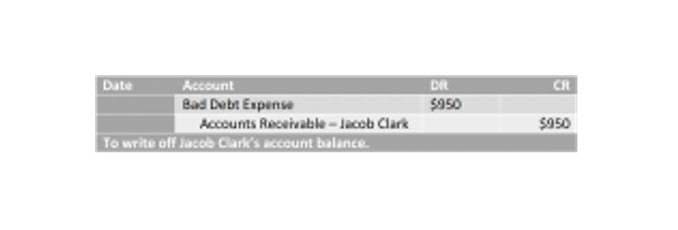
GL reconciliation must be finalized before financial statements can be released, making timely completion critical for reporting deadlines. There are bookkeeping many tools available, from simple spreadsheet templates to sophisticated accounting software. Checklists and guides can also be helpful for establishing a standardized process. The best choice for your business depends on its size, complexity, and the volume of transactions you handle. Proper documentation supports internal reviews and audits, and helps ensure adherence to external financial reporting and taxation regulations. If your entries in any subledger, such as accounts payable, accounts receivable, or payroll, don’t tally with those in the general ledger, it will corrupt your general ledger reconciliation.

Account
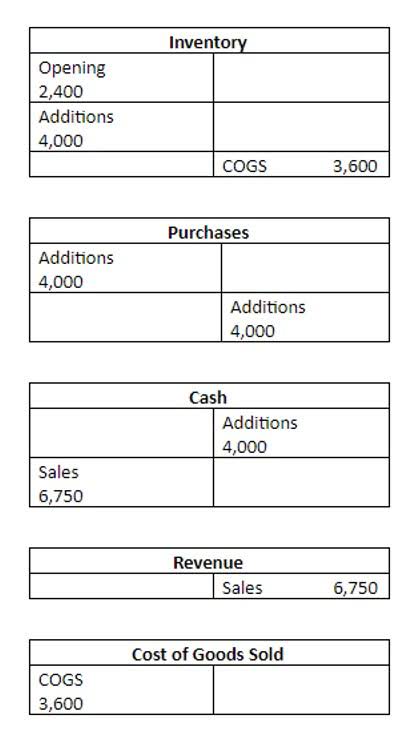
In high-volume accounts, like bank accounts, where you receive payments from customers, you may need to reconcile accounts even daily. For accounts with fewer changes, such as fixed assets, maintaining a reconciliation frequency of quarterly or yearly can also be effective. To reconcile subledgers, account for reasons such as timing differences, duplicate entries, or omitted transactions that general ledger reconciliation meaning can be behind discrepancies.
- A digitised accounting system makes reconciliation much easier and error-proof as accountants can automate a significant part of data extraction, matching and adjustments activities.
- In the following image, we can see an example of receivable ledger reconciliation.
- Having proper ledger accounts help you to prepare a trial balance sheet, meaning you can verify the accuracy of your accounts and prepare final accounts.
- Before closing the books, it’s important to verify your reconciliation for accuracy.
- This helps identify discrepancies and ensures the company’s financial statements are correct and reliable.
- Strong internal controls safeguard your assets and ensure the accuracy of your financial data, providing a solid foundation for informed decision-making.
- Conversely, larger organizations may have more intricate general ledgers with parent/child relationships where several sub-accounts roll up to a larger account.
What Are the Common Types of General Ledger Reconciliations?
- For more insights on managing financial data and automating revenue recognition, check out the HubiFi blog.
- It is helpful for a company to have a separate general ledger Cash account for each of its checking accounts.
- This practice also ensures audit readiness and compliance with accounting standards.
- Software designed for general ledger reconciliation can automate many of the manual tasks involved in the process.
- While GL reconciliation isn’t legally mandated on its own, it’s a must for any business in order to help maintain financial accuracy, detect fraud, and ensure compliance.
With continuous monitoring, you catch issues in real-time or near-real-time. Build reconciliation tasks into your month-end close checklist so nothing falls through the cracks. If the totals match, the account is reconciled (though you should still document the tie-out). Every organization should document their reconciliation procedures, but the core process follows these standard steps. Different types of GL reconciliation serve specific purposes in your month-end close process.
Address Missing or Duplicate Transactions

However, businesses with high transaction volumes often benefit from more frequent reconciliation, such as weekly or even daily for certain accounts. More frequent reconciliation makes the process less daunting, allows you to identify discrepancies sooner, and keeps your financial data consistently accurate. Let’s be honest, manually reconciling your general ledger is like trying to find a needle in a haystack. Using the right account reconciliation software can drastically improve your efficiency and accuracy, freeing up your team to focus on more strategic tasks. Reconciliation isn’t just about making sure the numbers add up; it’s a critical part of your internal controls.
- While major discrepancies often catch immediate attention, small differences can sometimes be ignored or written off.
- Think of reconciling the general ledger as confirming what should have happened (on your books) with what actually happened (independent source documents).
- Log all exceptions, adjustments, and explanations in a clear audit trail.
- This approach ensures consistent, accurate financial reporting while freeing your team to focus on analysis rather than data entry.
- It’s much easier to catch mistakes early when there are fewer transactions to review.

Ensure you have access to detailed ledger accounts and https://dwonlwak.org/best-bulk-payment-providers-2023-reviews/ any previous reconciliation reports, which will serve as the basis for comparison. Generally speaking, the general ledger has a number of purposes for the company. Firstly, the general ledger aids accountants in their preparation of a trial balance, helping them to ensure that all credits and debits balance out. Meanwhile, the general ledger also assists accountants in spotting errors, suspicious financial activities, and fraudulent transactions. As a result, this single source of truth helps the company to make the necessary adjustments to correct any mistakes.